


Department of Economics
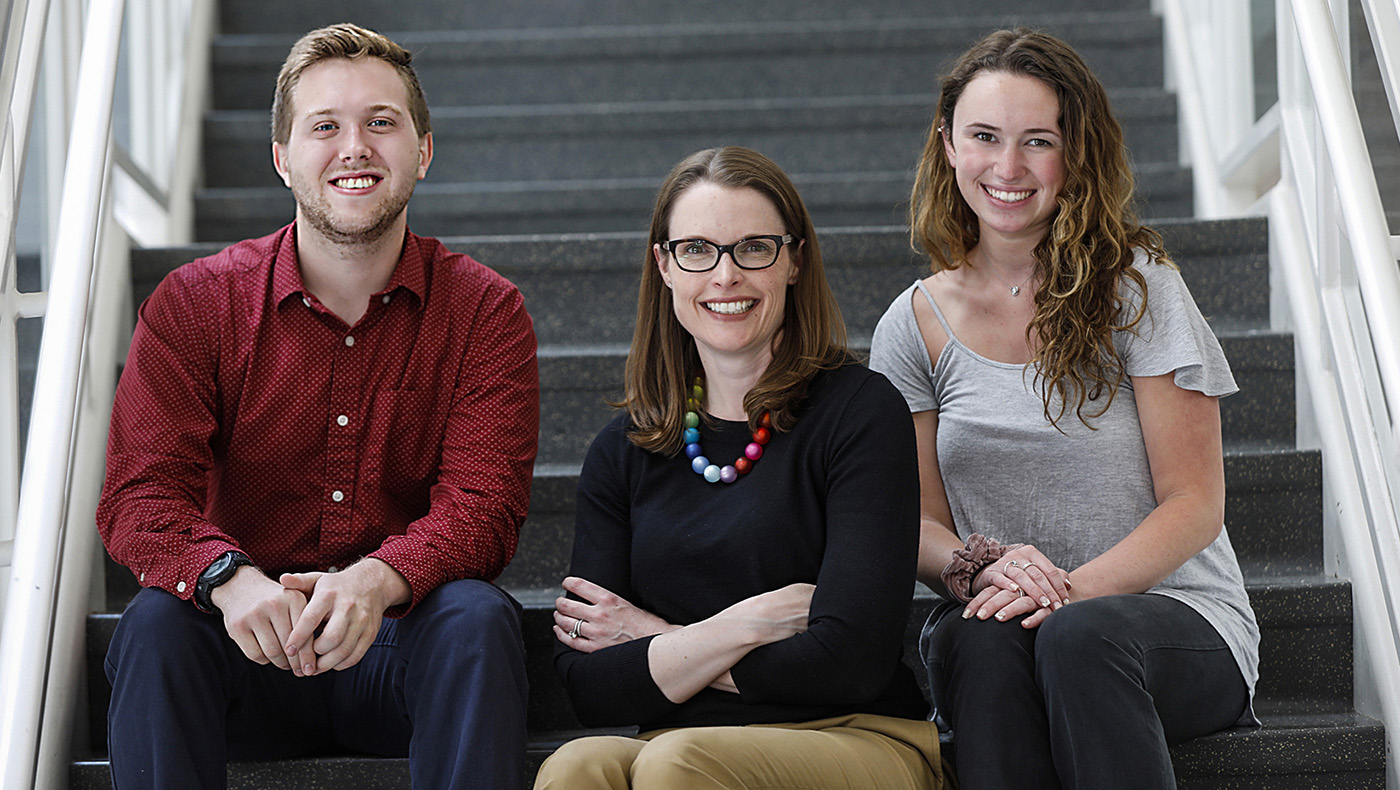
The Department of Economics at the University of Delaware is a vibrant community of over 30 scholars and educators. We are focused on our students’ success at the undergraduate and graduate levels and on advancing economics scholarship. Our faculty’s teaching interests and research accomplishments cover a wide range of courses and fields in economics.
You are welcome to visit us on the 4th floor of Purnell Hall or call us at 302-831-2565 for more information about our programs, faculty and current scholarships.
Academic Programs
Undergraduate
- B.A. or B.S. in Economics
- B.A. in Economic Education
- Economics B.S. + M.S. Accelerated Degree Program
- Mathematics & Economics Double Major B.S. + Economics M.S. Accelerated Degree Program
- Minor in Economics
Graduate
- M.S. in Economics and Applied Econometrics
- M.A. in Economics and Entrepreneurship for Educators
- Ph.D. in Economics
Department of Economics Seminars
The Department of Economics Seminar Series covers a wide range of topics in microeconomics, macroeconomics and economic policy. Speakers include department faculty and invited scholars from other universities. Seminars are open to the public.
See the seminar schedule page for more information or contact Prof. Maria Rosales Rueda at mrosales@udel.edu.
News
- Lerner College Celebrates the Class of 2026 Graduates - The University of Delaware’s Lerner College celebrated more than 1,500 graduates from the Class of 2026 during Convocation and Commencement ceremonies honoring undergraduate, master’s and doctoral students.
- Hutchinson Lecture Highlights Youth Mental Health Investment - The University of Delaware’s Alfred Lerner College of Business and Economics, in collaboration with Women in Economics, hosted the 2026 Hutchinson Lecture on April 20 in the Perkins Student Center.
- Lerner Students Utilize Emerging Software in AI Boot Camp - Nineteen students participated in the three sessions and presented on the website apps they created.
- My Summer Internship: Anxhela Beluli - Beluli, economics Ph.D. student, spent her summer as an Economist Ph.D. Intern at Amazon.
- How Tariff Policies Are Shaping Prices and Trade in 2025 - UD experts Thomas Bridges, Jorge Soares and Erin Yetter, professors of economics, share insights on how tariff policies impact everyday life and the broader economy.

Support Lerner Today
Your gift helps us deliver programs that make a positive impact.